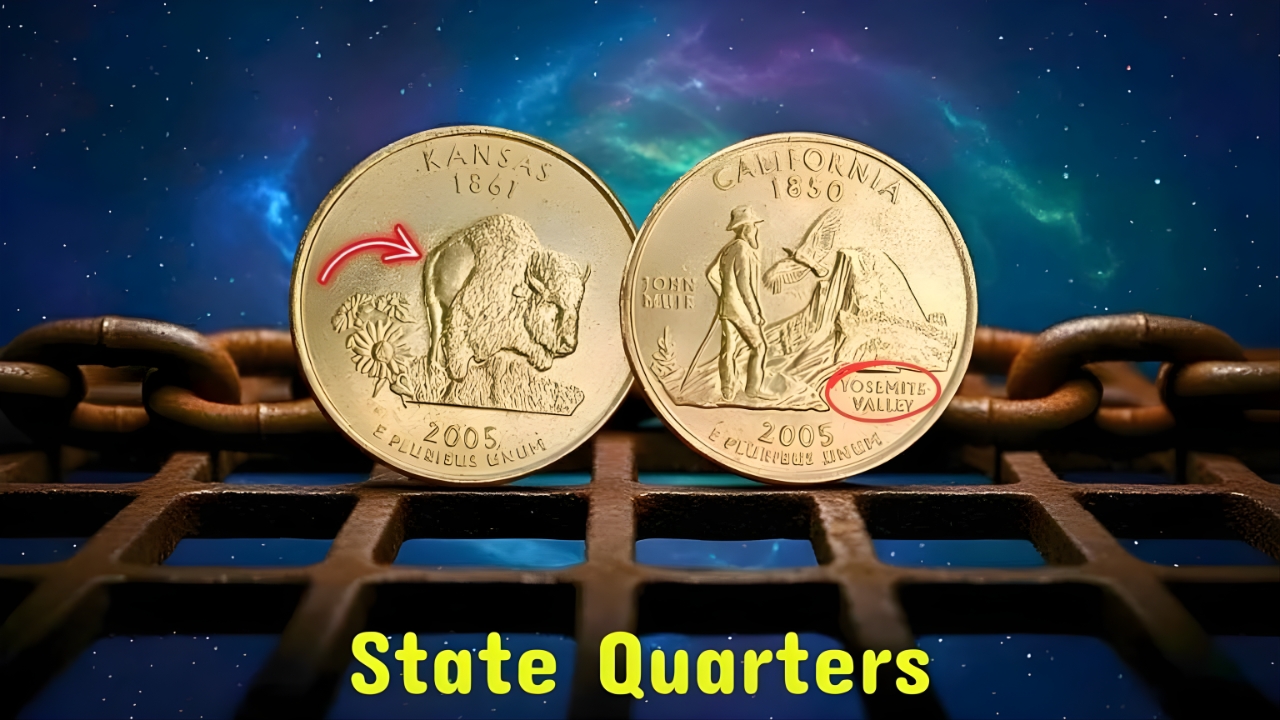
The idea that a simple coin could change someone’s financial future sounds almost unbelievable, yet it has happened more often than people think. The U.S. State Quarters Program, launched in 1999, introduced millions of Americans to coin collecting. While most of these quarters are still worth just 25 cents, a small number have turned into highly valuable collectibles. Some rare versions, especially those with minting errors or limited production, have sold for staggering amounts, transforming ordinary individuals into unexpected success stories.
Why Some State Quarters Are So Valuable
Not every quarter from the State series carries extra value. The coins that stand out usually have something unusual about them. Errors during the minting process, such as double strikes, off-center designs, or missing layers, can make a coin extremely rare. In other cases, low mintage numbers or special finishes increase demand among collectors.
Condition is another major factor. Coins that have been preserved in near-perfect condition are often worth far more than those that have circulated for years. When rarity and condition come together, the result can be a coin worth thousands—or even more.
1999 Delaware Quarter with Experimental Planchet
The Delaware quarter holds the distinction of being the first coin released in the State Quarters series. While most are common, a few were mistakenly struck on experimental planchets intended for other coins. These unusual versions have a different composition, making them highly collectible.
Collectors who discovered these rare pieces early were able to sell them for significant profits. Some examples have reached impressive prices, especially when verified and graded professionally.
2004 Wisconsin Quarter with Extra Leaf Error
One of the most talked-about errors in the series is the Wisconsin quarter with an extra leaf on the corn stalk. There are actually two variations: one with a high leaf and another with a low leaf. Both versions were created due to a die error during production.
These coins quickly became a sensation among collectors. People who found them in pocket change or coin rolls suddenly realized they were holding something valuable. Depending on condition, these quarters can sell for hundreds or even thousands of dollars.
2005 Minnesota Quarter with Doubled Die
The Minnesota quarter is known for its doubled die error, where parts of the design appear duplicated. This is most noticeable in the trees near the edge of the coin. Multiple variations exist, making it an interesting piece for collectors who enjoy studying fine details.
Some individuals who paid close attention to these small differences were able to identify rare versions and sell them at a premium. It’s a great example of how knowledge and observation can lead to valuable discoveries.
1999 Pennsylvania Quarter with Off-Center Strike
Off-center strike errors occur when the coin blank is not properly aligned during minting. This results in a design that appears shifted or incomplete. While many off-center coins exist, those with dramatic misalignment are especially valuable.
The Pennsylvania quarter has been found with this type of error, and well-preserved examples have sold for substantial amounts. For collectors, these coins offer a unique visual appeal that adds to their desirability.
2000 South Carolina Quarter Struck on Wrong Planchet
Another fascinating error involves coins struck on planchets intended for different denominations. In the case of the South Carolina quarter, some were mistakenly produced on blanks meant for smaller coins.
These unusual pieces stand out immediately due to their size and weight differences. Because of their rarity, they have become highly sought after, with some fetching impressive prices at auctions.
2008 Alaska Quarter with Die Crack Error
Die cracks occur when the minting die develops a fracture, leaving raised lines on the coin’s surface. The Alaska quarter has been found with noticeable die cracks, particularly around the design elements.
While not all die cracks are valuable, prominent and well-defined examples can attract serious collector interest. Some individuals have managed to sell these coins for much more than their face value.
1999 Georgia Quarter with Clipped Planchet
Clipped planchets happen when a portion of the metal blank is missing before the coin is struck. This results in a coin with a curved or straight missing section.
The Georgia quarter has appeared with this type of error, and collectors often pay a premium for these unusual shapes. The more dramatic the clip, the higher the potential value.
2007 Wyoming Quarter with Grease Error
Grease errors occur when grease fills part of the die, preventing certain details from being struck onto the coin. This can lead to missing or faint design elements.
The Wyoming quarter has been found with such errors, creating coins that look incomplete or unusual. While some grease errors are minor, more dramatic examples can command higher prices among collectors.
2006 Nevada Quarter with Double Strike
Double strike errors happen when a coin is struck more than once, causing overlapping designs. The Nevada quarter has been seen with this error, resulting in a visually striking appearance.
These coins are popular because the error is easy to recognize. Depending on how clear the double strike is, values can rise significantly.
2003 Illinois Quarter with Broadstrike Error
A broadstrike error occurs when the coin is struck without the retaining collar, causing it to spread out more than usual. The Illinois quarter has been found with this type of error, giving it a slightly larger and flatter appearance.
Collectors appreciate these coins for their unusual shape and clear evidence of a minting mistake. Well-preserved examples can bring in strong offers.
Final Thoughts
State quarters may seem ordinary at first glance, but hidden among them are coins with incredible stories and surprising value. For some people, discovering one of these rare pieces has led to unexpected financial rewards. While not every coin will make you rich, the possibility adds excitement to the hobby. Taking the time to examine your change closely could reveal something far more valuable than you ever imagined.
You Might Also Like
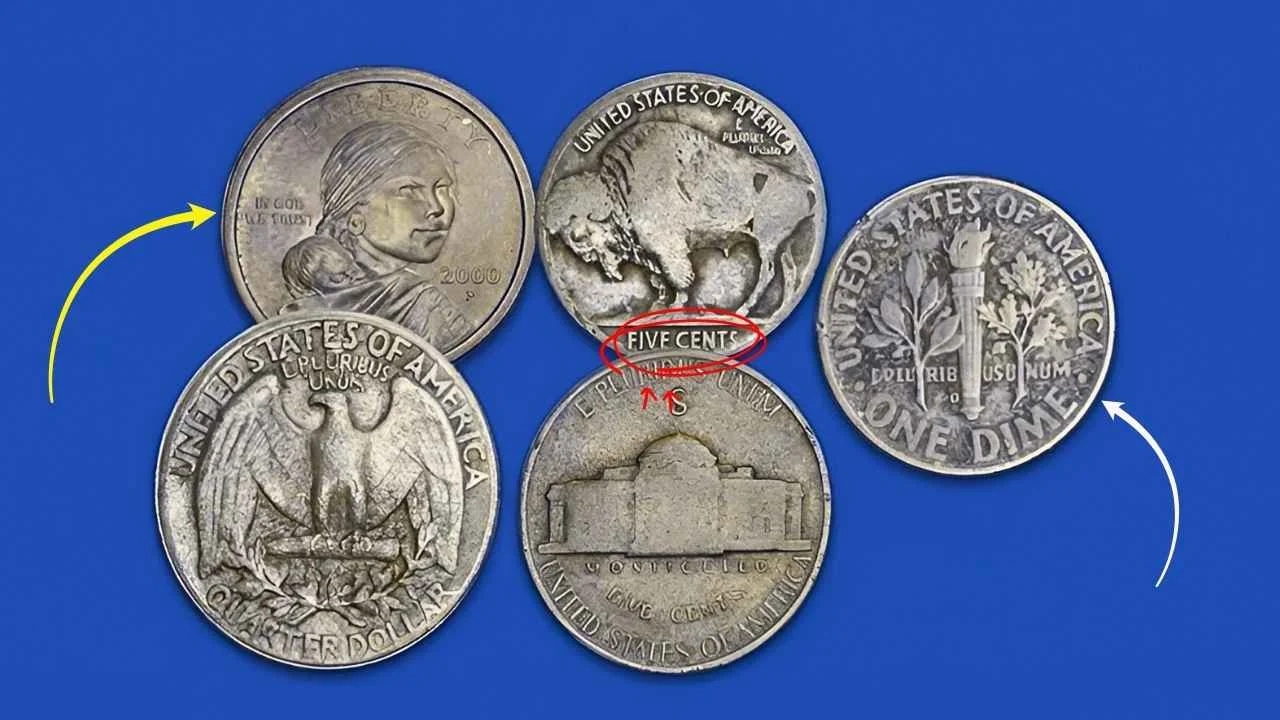
Rare U.S. Coins vs Gold: 4 Collectibles That Outperformed in 2026
For decades, gold has been considered one of the safest and most reliable investments. It carries a ...
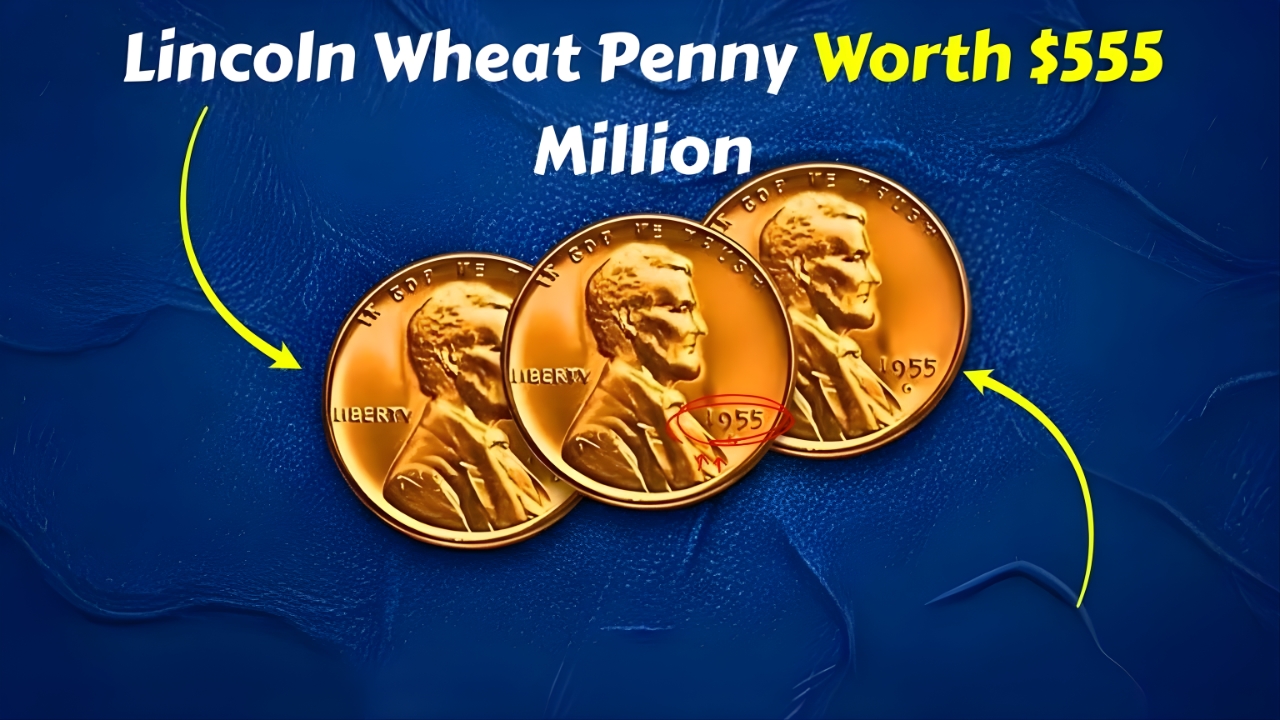
Lincoln Wheat Penny Worth $555 Million? Rare Coin Rumor Explained
Every so often, a headline appears that grabs the attention of coin collectors and casual readers al...
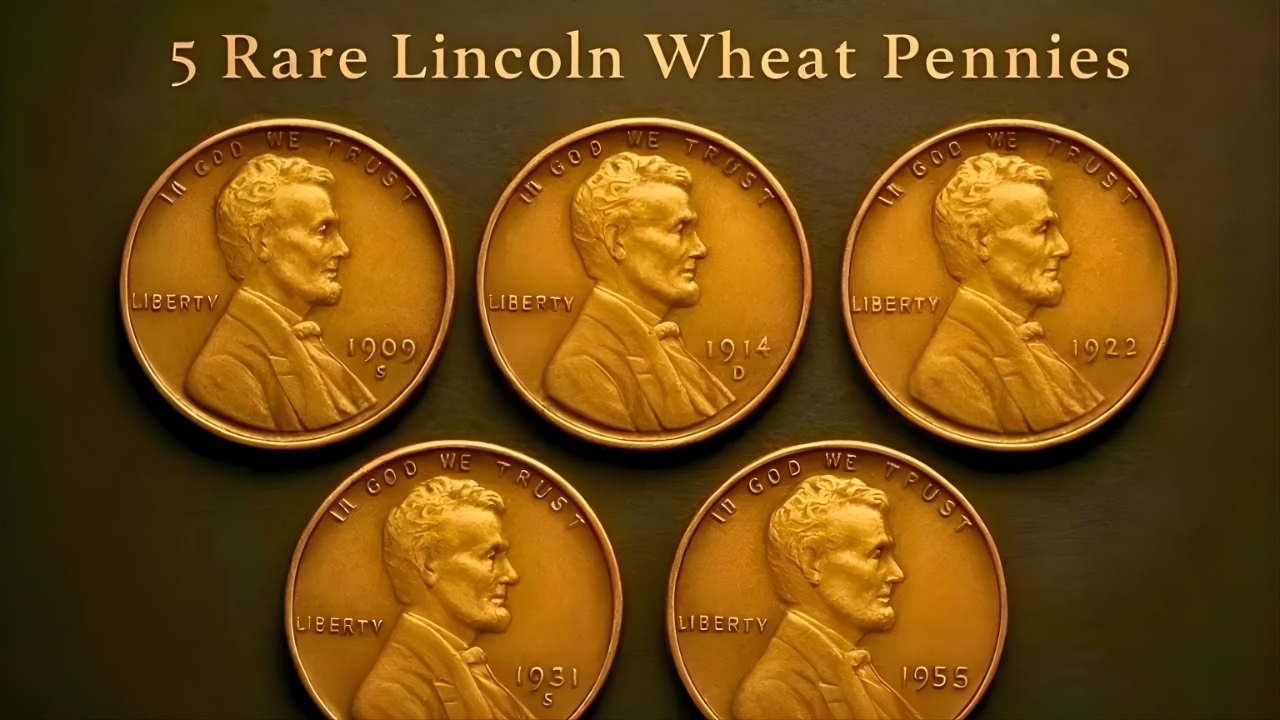
5 Rare Lincoln Wheat Pennies Worth Thousands in 2026 – Complete Collector’s Guide
Coin collecting has always been more than just a hobby—it’s a journey into history, craftsmanship, a...